
Echoes on Jewry Street: A Walk Through Winchester’s Medieval Jewish Past
As you arrive in Winchester, the grandeur of its cathedral and the whispers of King Arthur’s Round Table might be the first things to capture your imagination. But I invite you to peel back a different layer of this ancient city’s past, one that echoes along a street whose name tells its own story: Jewry Street. This is where your journey into Winchester’s rich medieval Jewish heritage begins, a story of finance, faith, and a community that profoundly shaped one of England’s most powerful cities.
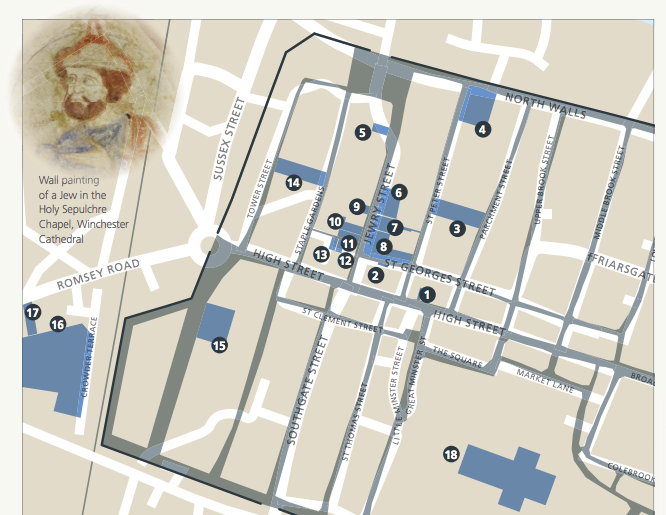
Begin your visit on Jewry Street itself. Close your eyes for a moment and let the modern sounds of traffic fade. Picture instead the 12th and 13th centuries, when this street was the vibrant heart of a thriving Jewish quarter. As you walk, you’re treading the same ground as scholars, doctors, and moneylenders who were integral to the royal court. Look up at the mix of Georgian facades and modern storefronts and imagine the stone-built, semi-fortified houses that once stood here, offering security in uncertain times. The air would have been thick with the smells of cooking, the sounds of Hebrew prayer, and the clatter of commerce. This isn’t just a street; it’s the anchor of a lost community, a physical reminder of the deep roots of medieval Jewish heritage in England.
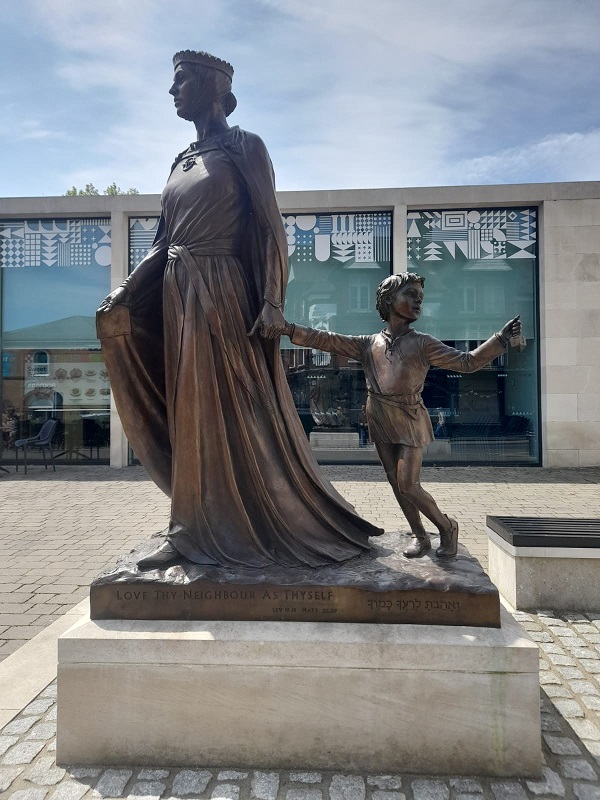
Further along your walk, you’ll pass the likely site of the community’s synagogue, near the junction with St. George’s Street. While no structure remains, its presence is a testament to a settled and organized community. This was the world of Licoricia of Winchester, one of the most influential Jewish women in medieval England. A powerful financier who funded kings and nobles, her story offers a powerful, personal lens into the triumphs and tragedies of Winchester Jewish history. Imagine her walking these same streets, a respected but vulnerable figure in a complex Christian world. This Winchester heritage walk is your chance to connect with these powerful individual stories, moving beyond dates and facts to feel the human pulse of the past.
As you approach the great Westgate, you realize how strategically placed the Jewish quarter was—nestled between the commercial High Street and the protective walls of Winchester Castle. The community was both central and separate, valued for its economic contributions yet living under constant royal and ecclesiastical scrutiny. This walk doesn’t just show you where Jewish people lived; it reveals their complex relationship with the crown and the church. By tracing their steps, you gain a deeper understanding of the forces that shaped their lives, culminating in the tragic expulsion of 1290. Your walk ends not just with a sense of place, but with a profound connection to a vital, poignant, and unforgettable chapter of Jewish life in England.