The Western Wall and the Tradition of Jewish Pilgrimage
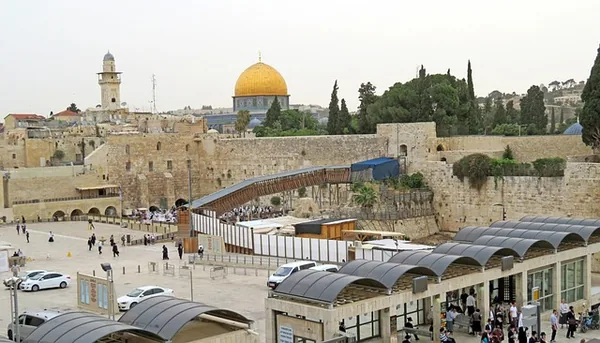
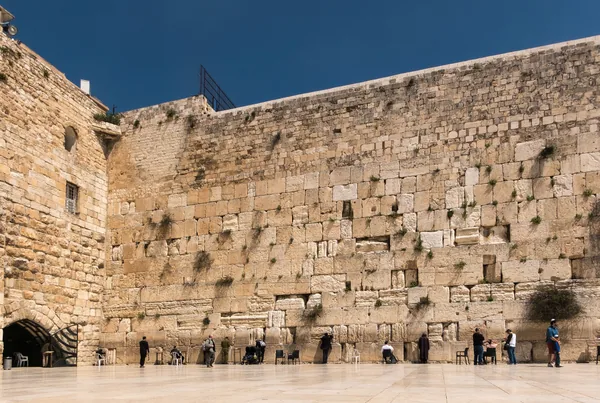
The Western Wall, known in Hebrew as the Kotel, is an ancient limestone retaining wall in the Old City of Jerusalem and the holiest site where Jews can pray today. As you approach the expansive plaza, you will see the massive lower stone courses built around 19 BCE by King Herod the Great. Originally constructed to support the Second Temple compound, this structure survived the Roman destruction in 70 CE. The upper layers show the architectural additions of various administrations over the centuries, but the colossal Herodian foundation stones remain the focal point of the site.
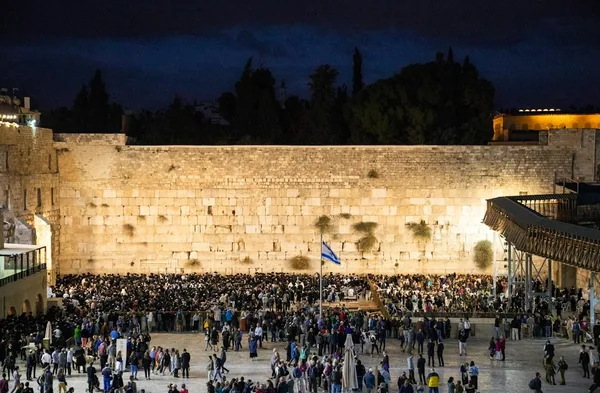
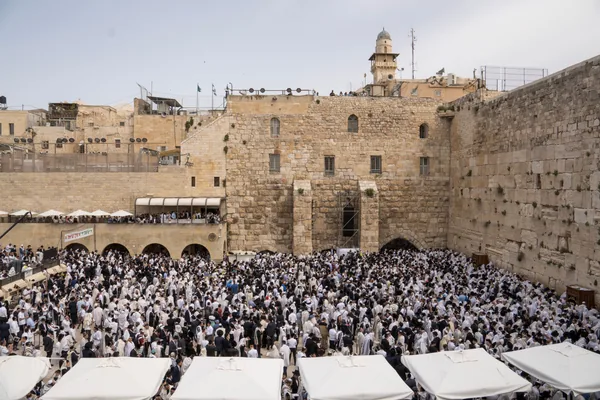
Stepping closer to the wall, you hear the murmur of daily prayers and see the physical division of the plaza into separate sections for men and women, in accordance with Orthodox Jewish practice. The site’s deep religious significance comes from its proximity to the former Holy of Holies, with Jewish tradition holding that the Divine Presence never left these stones. For centuries, this area has been a destination for Jewish pilgrimage and mourning over the destroyed Temples. Today, the open-air synagogue is alive with daily worship, national ceremonies, and the singing of Bar and Bat Mitzvah celebrations.
As you observe the worshippers, you will notice the centuries-old custom of wedging small paper notes, or kvitlach, into the crevices between the ancient stones. Twice a year, before Rosh Hashanah and Passover, these personal prayers are carefully collected and buried in a cemetery on the Mount of Olives. Beyond the exposed prayer section, you can explore the subterranean Western Wall Tunnels. Walking through this underground network reveals the structure’s full length, allowing you to walk alongside foundation stones weighing hundreds of tons and connect with the enduring legacy of Jerusalem’s holy sites.
