The Tradition of the Tomb of King David
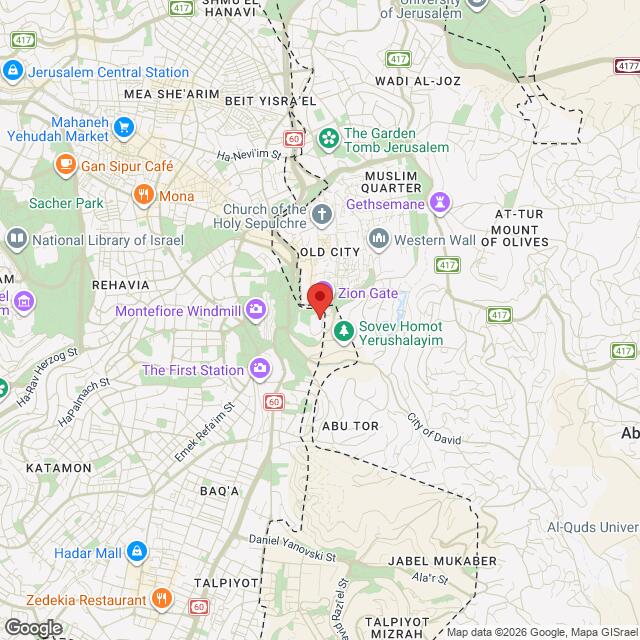
Located on Mount Zion just outside the Old City walls near Zion Gate, the Tomb of King David functions as an active synagogue and a revered memorial complex. While the Hebrew Bible places the king’s actual burial in the City of David, this site emerged in the Early Middle Ages as a traditional place of veneration. Today, it stands as a major destination for pilgrimage in Jerusalem.
As you explore the complex, you will notice layers of history built into the stone. The current structure features Romanesque architecture from the 12th-century Crusader period. Over the centuries, the building housed a Franciscan monastery and functioned as a mosque. Directly above the tomb chamber sits the Cenacle, reflecting how traditions are layered across different faiths in the city.
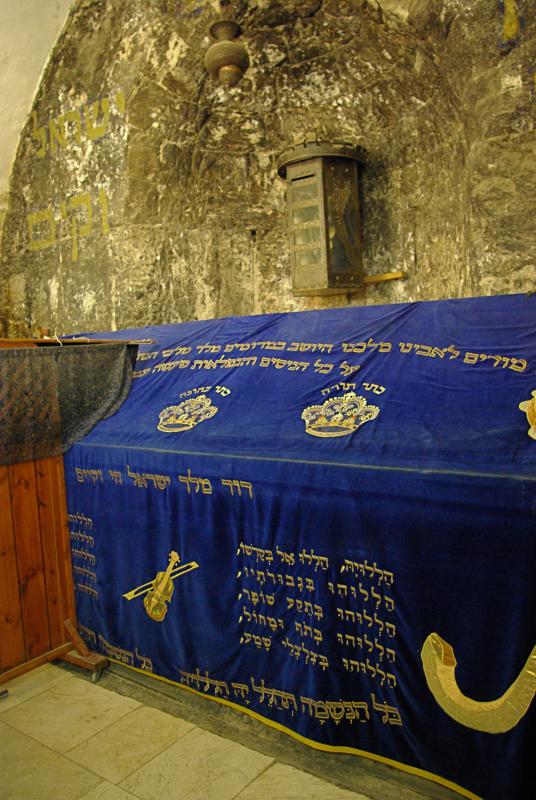
Passing through an inner stone courtyard, you enter a chamber divided into separate prayer sections for men and women. The room hums with the sound of continuous prayer. At the center rests a massive, Crusader-era stone cenotaph. This empty memorial sarcophagus is draped in a velvet cloth embroidered with Stars of David. Beside it, an alcove is blackened by the smoke of candles lit by visitors at one of the most recognized sacred graves in the Holy Land.
The site holds a specific place in modern Jewish memory. Between 1948 and 1967, when the Western Wall was inaccessible, Mount Zion served as the holiest accessible site for Jewish worshippers. If you visit during the festival of Shavuot, which traditionally marks the anniversary of David’s death, you will find crowds gathered to read the Book of Ruth and recite from the Psalms attributed to the king.