


The Archaeological and Biblical Landscape of Timna
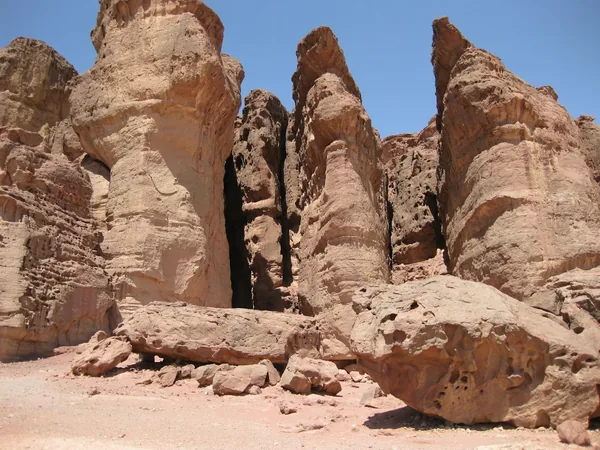
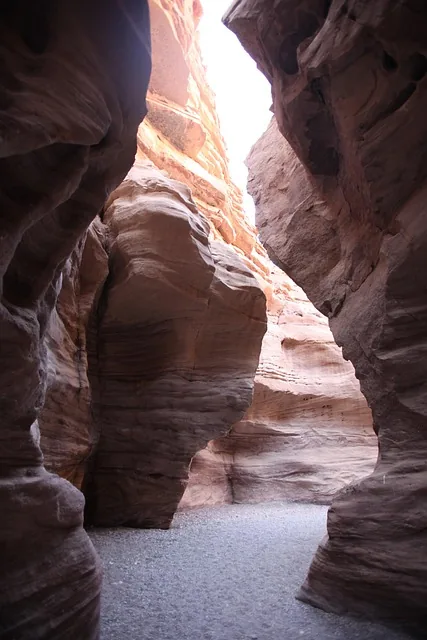
Timna Valley is a vast geological and archaeological park in the Negev Desert, located just north of Eilat, known for its ancient copper mines and striking rock formations. As you enter the arid landscape of the Arava Valley, steep red and pink sandstone cliffs rise around you. The wind has carved dramatic shapes into the rock over millennia, creating towering geological structures like Solomon’s Pillars and the Mushroom. Walking through this desert environment, you will encounter the remains of some of the world’s oldest copper mines, with shafts and primitive smelting furnaces dating back to the Chalcolithic period.
As a focal point for biblical archaeology in the Holy Land, the valley reveals layers of early industrial history. During the early Iron Age, semi-nomadic Edomite tribes controlled a lucrative copper trade here. Although an early explorer named the area King Solomon’s Mines, contemporary research links this extensive smelting operation to the time of the Biblical United Monarchy. The extremely dry climate has preserved remarkable artifacts from this era, including early textiles dyed in royal purple and the oldest securely dated domesticated camel bones found in the Levant.
Further along the valley floor, you can observe the remnants of a small stone temple dedicated to Hathor, built by Egyptian mining expeditions at the base of Solomon’s Pillars. Later Midianite communities added unhewn Semitic standing stones to this sanctuary, and nearby rock carvings depict ancient figures and chariots. The park also features a life-size replica of the Biblical Tabernacle, or Mishkan. Set against a harsh wilderness backdrop similar to the Exodus narrative, this full-scale model includes reproductions of the Ark of the Covenant and the golden Menorah, offering a physical representation of ancient Israelite worship practices.
