
Following the Ancient Pilgrimage Road in Jerusalem
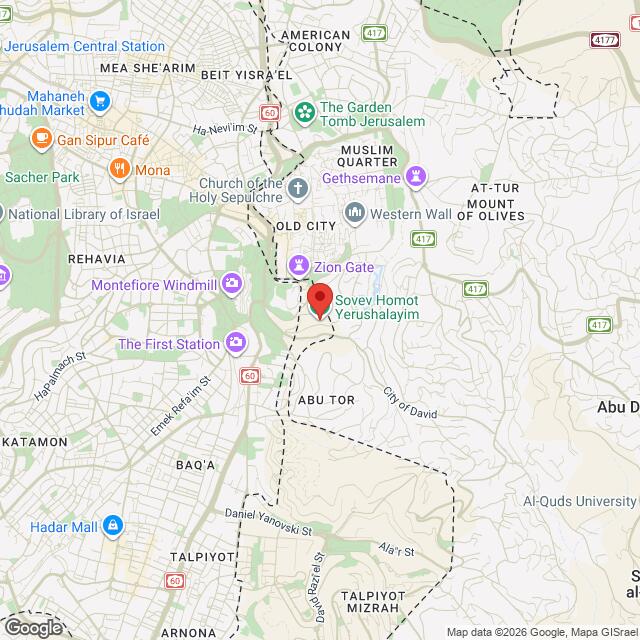
The Pilgrimage Road is a 2,000-year-old subterranean stepped street in the City of David that once connected the Pool of Siloam to the foot of the Temple Mount.
Built between 20 and 31 CE, this monumental limestone pathway was hidden for centuries until a burst pipe in 2004 revealed its ancient steps. Today, as you explore the active excavations that define archaeological sites in Jerusalem, you walk an uphill route directly on the original paving stones. The path is now enclosed within an illuminated tunnel beneath a modern residential neighborhood.
During the late Second Temple period, this thoroughfare served as the primary processional route for Jewish crowds arriving for the Shalosh Regalim—the pilgrimage festivals of Passover, Shavuot, and Sukkot. After ritually purifying in the Pool of Siloam, travelers ascended these steps toward the Temple Mount. Along the way, you will see the structural remnants of storefronts and a stone podium used for public readings, reflecting a commercial center where merchants used stone weights and measuring tables to serve visitors.
For those on a pilgrimage to the Holy Land, the street offers a preserved physical environment from the first century. Jesus and his early followers likely navigated this exact route, especially near the Pool of Siloam, where scripture records Jesus instructing a blind man to wash and be healed. As you continue your ascent, you will also view sections of an ancient drainage channel beneath the street. Artifacts like cooking pots and weapons found here reveal its final use as a hiding place for Jewish rebels fleeing the Roman destruction in 70 CE, an event that left this monumental pathway buried and preserved.