The Ancient Layers of Tel Hebron
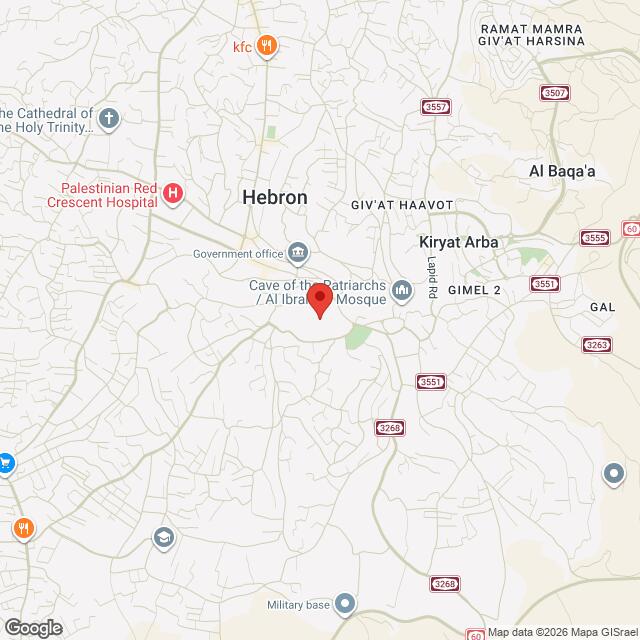
Tel Hebron is an archaeological park set on a hillside overlooking the modern city, revealing the original ancient settlement of biblical Hebron. As you walk among centuries-old olive trees and agricultural terraces, you encounter a site settled intermittently for 6,000 years. The layered ruins reveal the physical foundations of a city deeply connected to Abraham, Sarah, and the biblical Patriarchs.
As you continue through the grounds, massive stone fortifications from the Bronze Age rise before you, with one wall preserved to a height of four meters. Further along the path, you will see a monumental stone staircase and the remains of an Iron Age Israelite four-room house. Ancient wine and oil presses carved into the landscape offer a glimpse into the daily agricultural routines of the past.
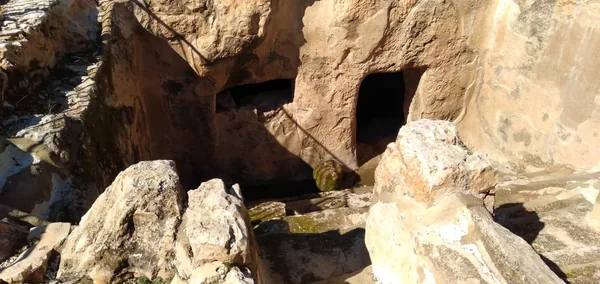
A prominent feature of the excavation is a Jewish ritual bath, or mikveh, dating to the Second Temple period. Carved directly into the bedrock and holding approximately 200 cubic meters of water, it is one of the largest ancient purification baths discovered in the region. Archaeologists have also unearthed Judean clay seal impressions here, bearing the paleo-Hebrew inscription “To the King, Hebron.”
At the summit stands Deir al-‘Arba’in, a ruined historic complex associated in Christian tradition with the Church of the Forty Martyrs. The site also houses tombs traditionally identified as those of Jesse and Ruth, the father and great-grandmother of King David. Biblical texts note David ruled from Hebron for seven years before moving his capital to Jerusalem. For Christian visitors, Ruth, Jesse, and David also connect Hebron to the biblical lineage of Jesus described in the Gospels. Today, the tell sits within a contested area encompassing Palestinian and Israeli communities, reflecting the enduring complexity of this ancient landscape.