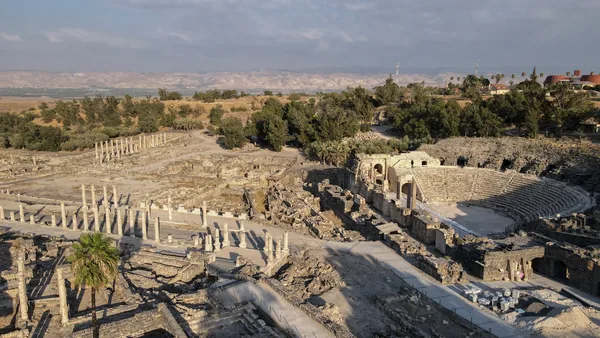

Exploring the Biblical Ruins of Tel Beth Shemesh
Tel Beth Shemesh is an ancient settlement in the Judean foothills that once served as a vital geographic border between Israelite and Philistine territories. As you walk through this archaeological site near modern Beit Shemesh, you will encounter historical layers spanning the Late Bronze Age and the Early Iron Age. The rolling terrain of the Shephelah surrounds the excavated ruins, marking where a small village stood after the regional collapse around 1200 BCE. Stepping along the paths, you can observe the stone foundations of houses where residents lived on the edge of two distinct cultures.
As you continue exploring the excavation areas, the remnants of ancient daily life become clear. Digs have uncovered jars once used to store pressed figs alongside the remains of lentils, offering a direct look into the local agricultural diet. In one excavated house, researchers found a small circular stone seal dating to the 11th or 12th century BCE. The artifact depicts a human figure facing a large, lion-like animal. Some researchers have interpreted the image as possible evidence of traditions resembling the biblical account of Samson and the lion.
The spiritual memory of the area is deeply tied to these early biblical narratives. According to the Book of 1 Samuel, this valley is where the Philistines returned the captured Ark of the Covenant to the Israelites. The broader region is also linked to Samson, with a 14th-century traveler’s account placing his tomb at a monument near the settlement. Standing among these biblical ruins in the Holy Land, you gain a tangible connection to the ancient borderlands that shaped the world of the early biblical period and remain significant for both Jewish and Christian traditions.
