Stella Maris Monastery and the Legacy of Elijah
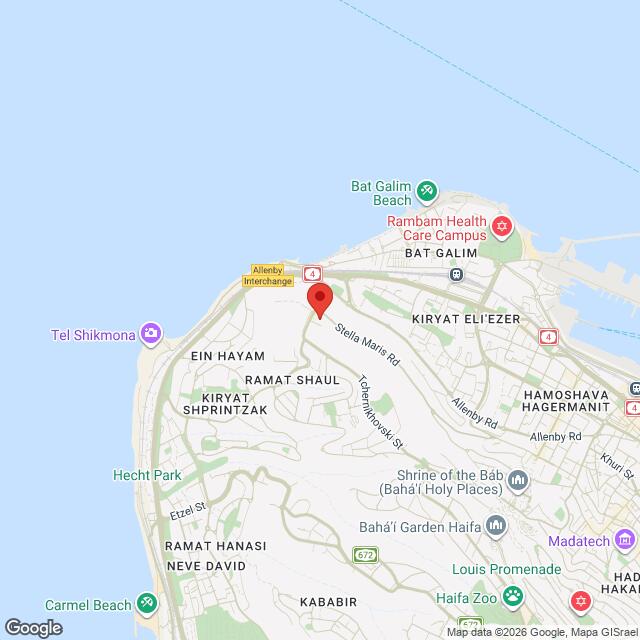
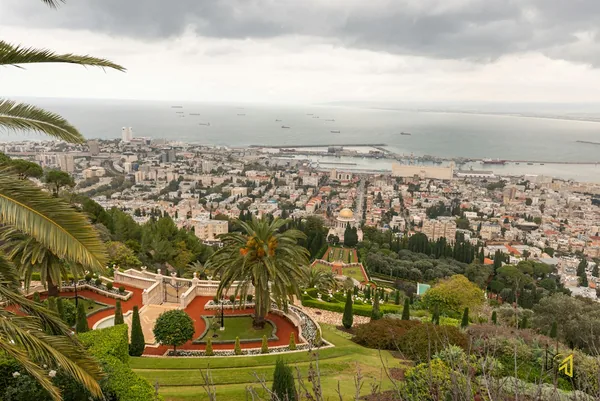
Stella Maris Monastery is a 19th-century Catholic complex serving as the world headquarters for the Discalced Carmelite Order on the western slopes of Mount Carmel. As you approach the site in Haifa, you will notice its thick walls and small, barred windows, originally designed to defend the community during its construction between 1827 and 1836. Looking out from the grounds, you can take in sweeping views of the Mediterranean Sea, a fitting backdrop for a place whose Latin name translates to “Star of the Sea.”
Stepping inside the cross-shaped church, you are greeted by white Italian marble paneling and the sight of a grand organ. As you walk toward the ornate altar, look up to see the central dome and ceiling covered in colorful frescoes. These murals depict biblical figures like King David, the Holy Family, the Four Evangelists, and the striking image of the prophet Elijah ascending to heaven in a fiery chariot. At the altar itself stands a porcelain statue of the Virgin Mary holding the infant Jesus.
Directly beneath the main altar, a small grotto draws Christian pilgrims. This cave is traditionally identified as a place where Elijah lived or sought refuge. The Carmelite Order traces its spiritual roots back to 12th-century Crusader-era hermits who settled in these mountain caves to imitate the prophet’s life of contemplation. Elijah’s association with Mount Carmel also gives the site significance within Jewish tradition.
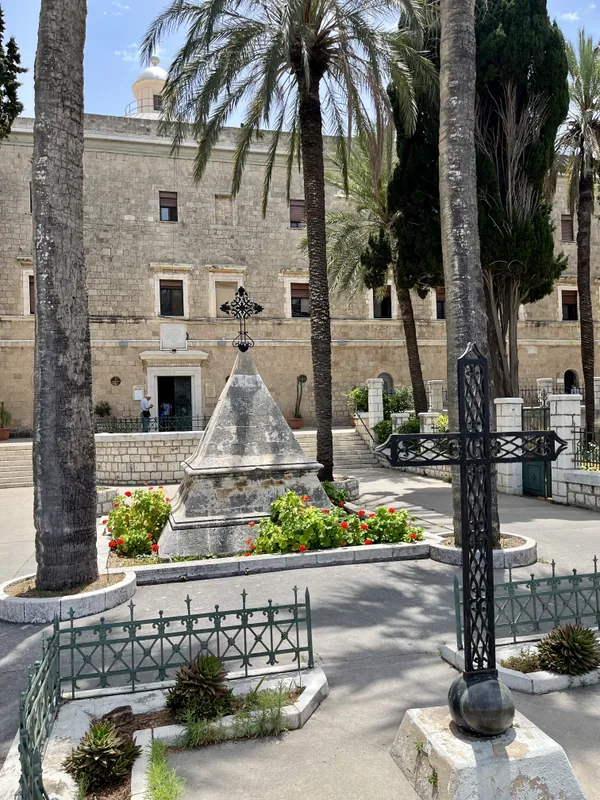
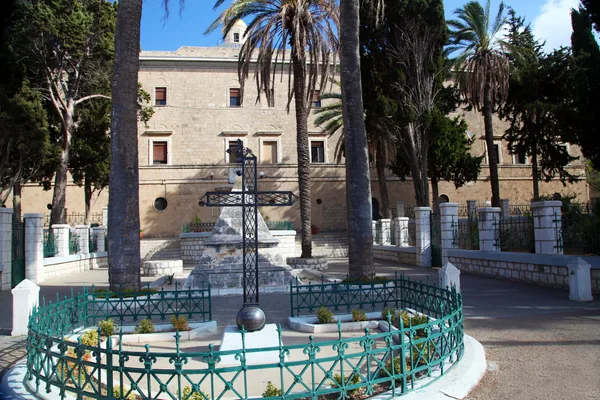
Outside on the western terrace, you will find a stone pyramid topped with an iron cross. This monument stands as a memorial to 200 French soldiers who were killed by Ottoman forces in 1799 following Napoleon’s retreat. Today, hosting an annual local procession honoring Our Lady of Mount Carmel since 1914.