
A Journey Through Biblical Archaeology in Jerusalem
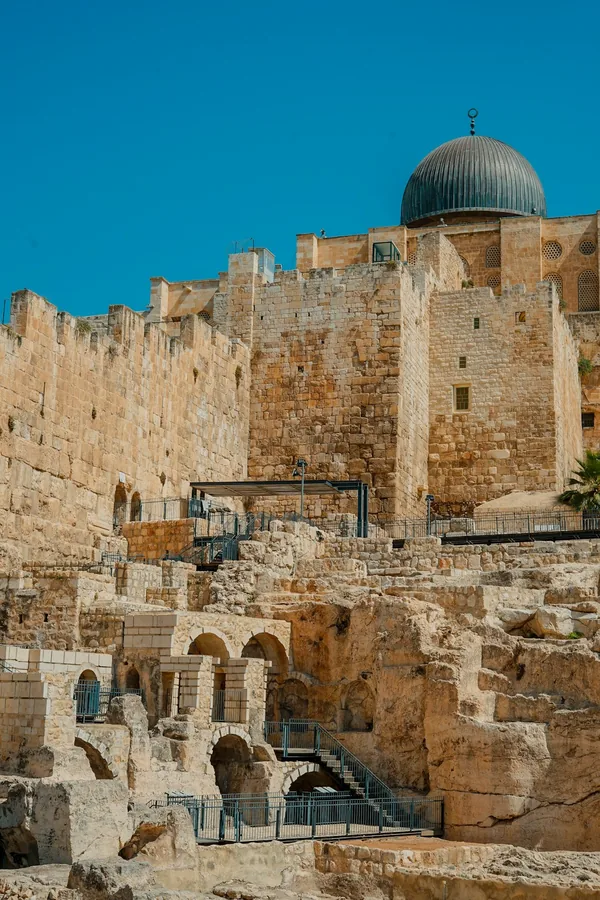
Located near the Dung Gate at the southwestern corner of the Temple Mount, the Davidson Archaeological Park is an open-air museum preserving centuries of history. As you enter the grounds, you step into a landscape revealing structural layers from the Canaanite era through the early Islamic period. The most prominent remains date to the Second Temple period, showcasing the monumental architectural expansions commissioned by King Herod.
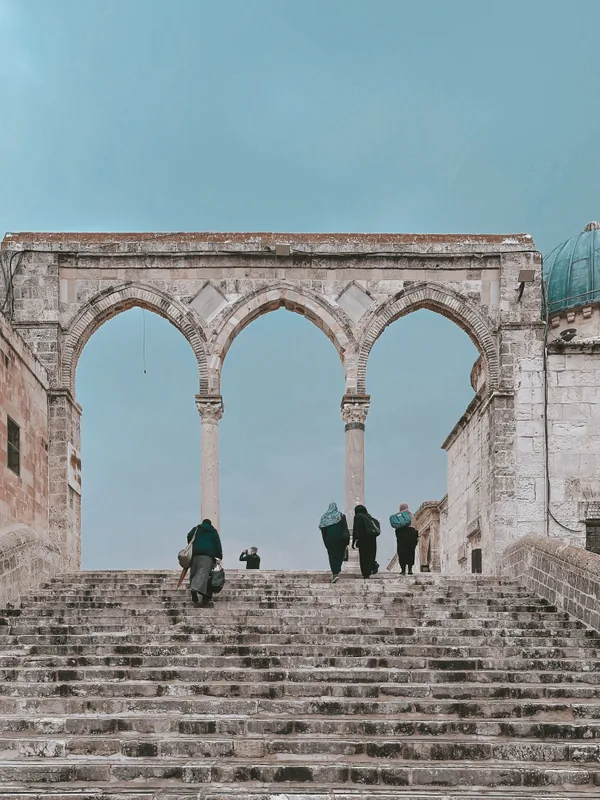
Begin your visit by walking toward Jerusalem’s Southern Steps, a massive staircase that served as the primary public entrance for Jewish pilgrims ascending to the Temple Mount. As you climb, you’ll notice the irregular pattern of alternating long and short treads. This design was intentional, forcing arriving worshippers to slow their pace and approach the sacred precinct with circumspection. At the base, you can observe ancient mikvaot where pilgrims ritually purified themselves before passing through the Huldah Gates.
Continuing along the base of the Temple Mount, you’ll walk on the paved Herodian street that once functioned as the city’s main commercial thoroughfare. Here, dramatic piles of massive ashlar stone blocks remain exactly where they fell during the Roman destruction in 70 CE. Looking up at the Western Wall, you can see the protruding remnants of Robinson’s Arch, which originally supported a grand staircase leading into the sacred complex.
The site offers a direct physical connection to ancient pilgrimage festivals. Because many of the exposed stones are original to the first century, you are walking on the exact pavement where Jewish sages sat to teach their disciples. This public space is also widely regarded as the location where Jesus interacted with crowds, making the park a profound place of historical and spiritual reflection.
