

Exploring Biblical Archaeology at the Ancient Ruins of Sepphoris
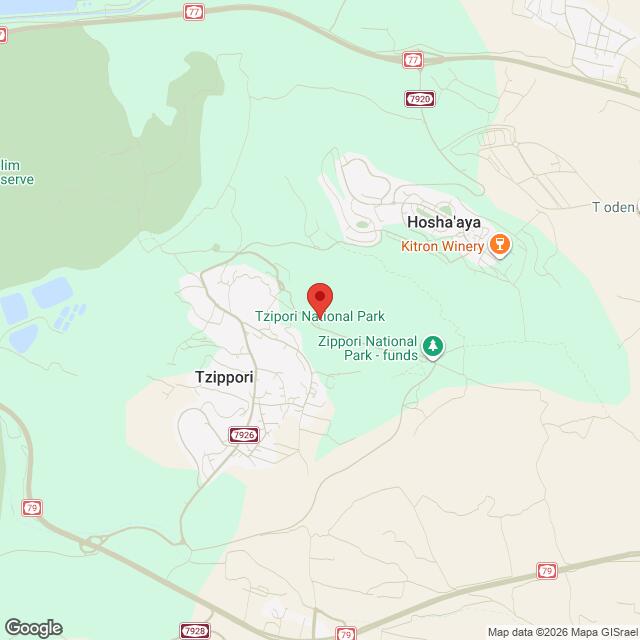
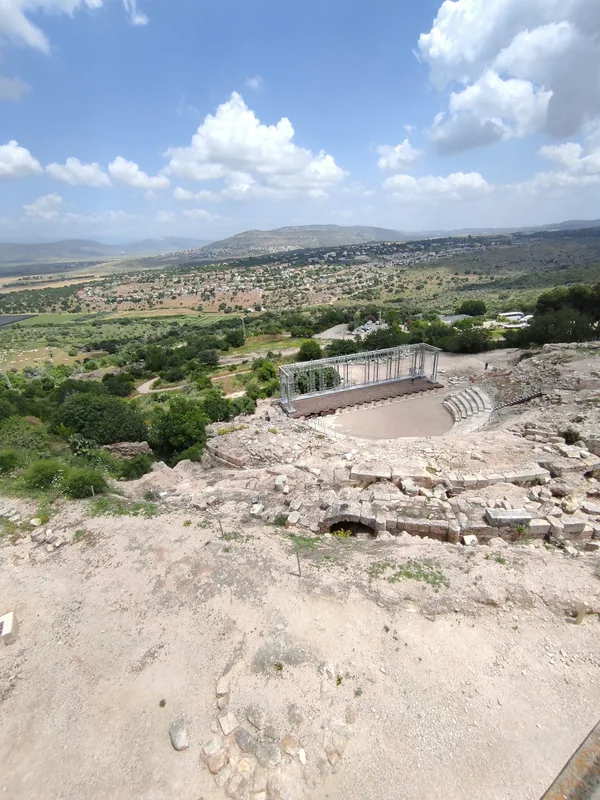
Sepphoris, also known as Zippori, is an expansive archaeological park in the Lower Galilee where centuries of Jewish, Roman, and Christian history intersect on a hill overlooking the Beit Netofa Valley. As you walk through the excavated city, you will encounter the remnants of a major administrative capital rebuilt in the first century by Herod Antipas. The classic Roman urban layout guides your path along a colonnaded grid of intersecting streets, known as the cardo and decumanus. Further along, a 4,500-seat theater carved directly into the hillside illustrates the scale of this ancient Galilean center.
Continuing through the site, you will find over sixty intricate mosaic floors dating from the Roman and Byzantine periods. Inside a Roman villa, a floor depicting the life of Dionysus features a female portrait often called the Mona Lisa of the Galilee. Nearby, the Nile Festival House displays a large Byzantine mosaic illustrating the flooding of the Nile River. For Christian visitors, the city holds traditional significance as the hometown of Mary’s parents, Saints Joachim and Anne, commemorated by the remains of a Crusader church. Historians also note that the first-century construction boom here likely provided work for builders from nearby Nazareth.
In the residential quarter, you can observe numerous ancient ritual baths, or mikvaot, reflecting the daily lives of the local community. Following the destruction of Jerusalem, this city emerged as an epicenter of Jewish spiritual life in the second and third centuries. It became the seat of the Sanhedrin, and it was here that Rabbi Yehuda HaNasi compiled the Mishnah around 220 CE. As you conclude your visit at the fifth-century synagogue, a vivid floor mosaic depicting the zodiac wheel, the binding of Isaac, and symbols of the Jerusalem Temple reveals the deep roots of Jewish identity preserved in the Galilee.