Discovering the Pool of Siloam in Jerusalem
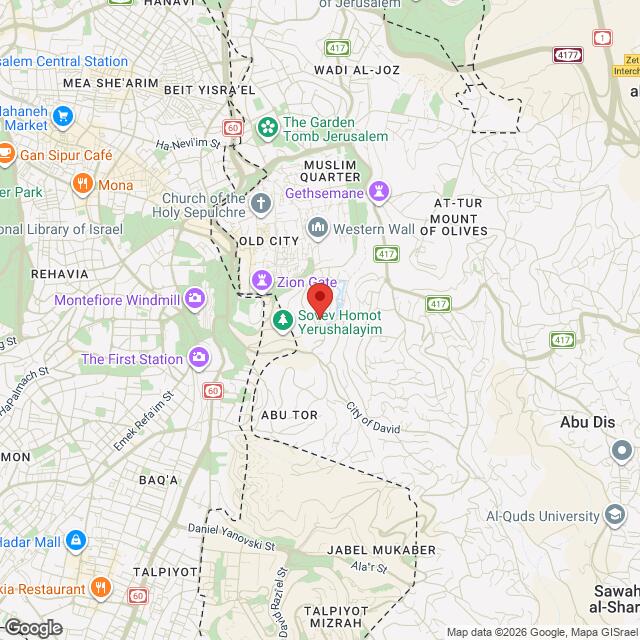
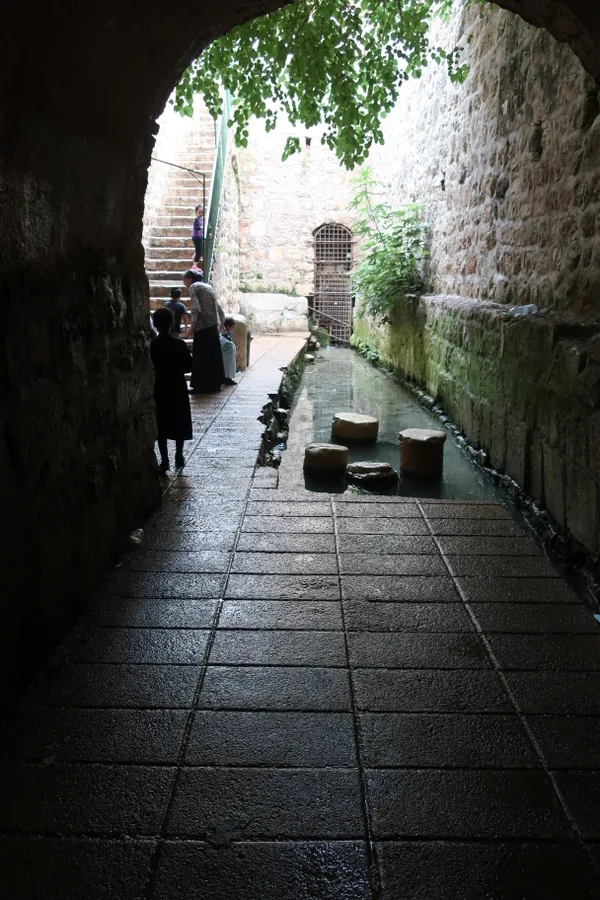
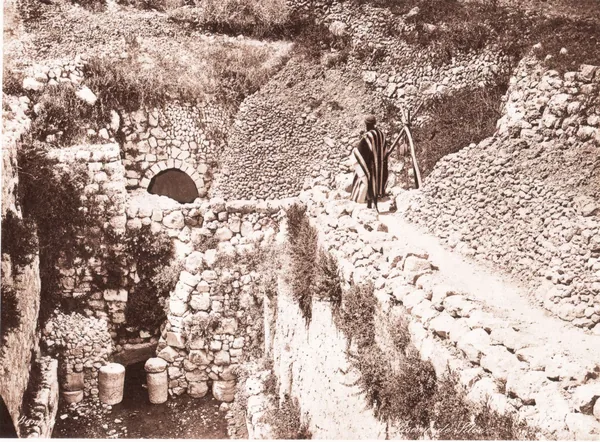
The Pool of Siloam is an ancient rock-cut reservoir located at the southern edge of the City of David, just outside the walls of the Old City. Originally constructed during the reign of King Hezekiah in the 8th century BCE, the pool was designed to secure Jerusalem’s water supply during times of siege. It served as the terminus for waters channeled from the Gihon Spring through the underground Hezekiah’s Tunnel.
As you explore this site of biblical archaeology in Jerusalem, you’ll encounter an expansive, trapezoidal structure featuring multiple tiers of stone steps and wide landings. This monumental stepped design, expanded in the late 1st century BCE, originally accommodated fluctuating water levels between the wet and dry seasons. The impressive Herodian-era masonry was accidentally rediscovered in 2004 during a municipal project, leading to ongoing excavations that continue to reveal the pool’s historic footprint.
For those on a Holy Land pilgrimage, the pool holds deep historical and spiritual resonance. Within Jewish heritage, this colossal structure served as a massive ritual bath, or mikveh. Pilgrims would use its waters for purification before ascending the Pilgrimage Road to the Temple Mount, and it was central to the water-drawing ceremonies of the Sukkot festival. The site is also significant in Christian tradition, as the Gospel of John records Jesus healing a man blind from birth by instructing him to wash in the pool. Today, the Pool of Siloam offers a tangible connection to the ancient rituals and daily life of Second Temple Jerusalem.