
Exploring Mount Gerizim and the Archaeology of the Holy Land
Mount Gerizim is a prominent peak rising above the central Samarian highlands south of Nablus, home to an archaeological park that preserves centuries of religious history.
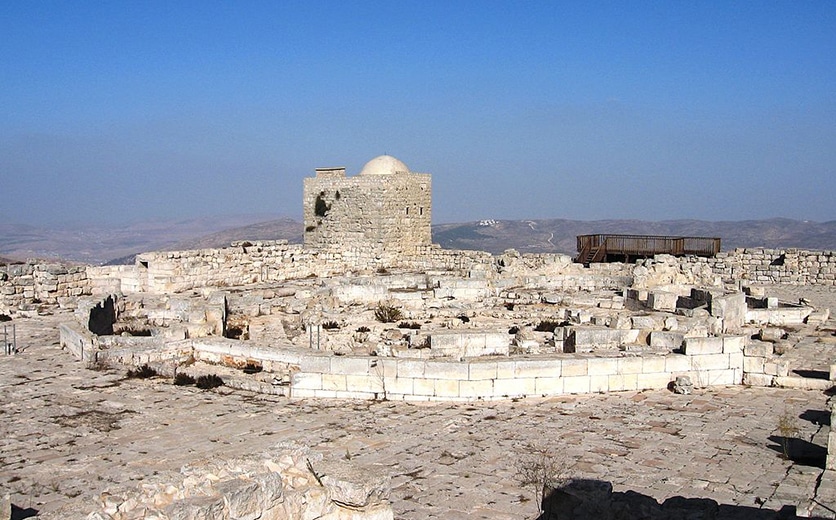
As you approach the summit, 881 meters above sea level, you will find extensive excavations spanning the Persian, Hellenistic, and Byzantine periods. The ruins reveal the foundations of a large Samaritan temple precinct established in the mid-fifth century BCE, alongside a surrounding Hellenistic city. You can walk among the excavated stones of this ancient sacred enclosure, which was destroyed and rebuilt before falling again in the late second century BCE.
Looking north across the Nablus valley toward Mount Ebal, you can visualize the biblical narrative of the Israelites entering the Promised Land. In Jewish tradition, Mount Gerizim is known as the Mount of Blessing, where half the tribes stood to pronounce blessings as commanded in Deuteronomy and Joshua. For Christian visitors, the mountain is traditionally associated with the Gospel of John, where Jesus and a Samaritan woman discuss worship on “this mountain” (John 4:21). Further along the summit, the fortified walls of an octagonal Byzantine church dedicated to Mary Theotokos reflect the site’s later historical layers.
Your visit also offers a window into a living tradition. Mount Gerizim remains the holiest site in the Samaritan faith, recognized in their tradition as the location of the binding of Isaac. Today, the Samaritan village of Kiryat Luza sits on the mountain’s ridge. As you explore the on-site museum detailing local history and artifacts, you gain a deeper understanding of a community that still gathers on these slopes for pilgrimage festivals like Passover and Sukkot.
