Exploring the Ancient City of Jericho and Its Archaeological Heritage
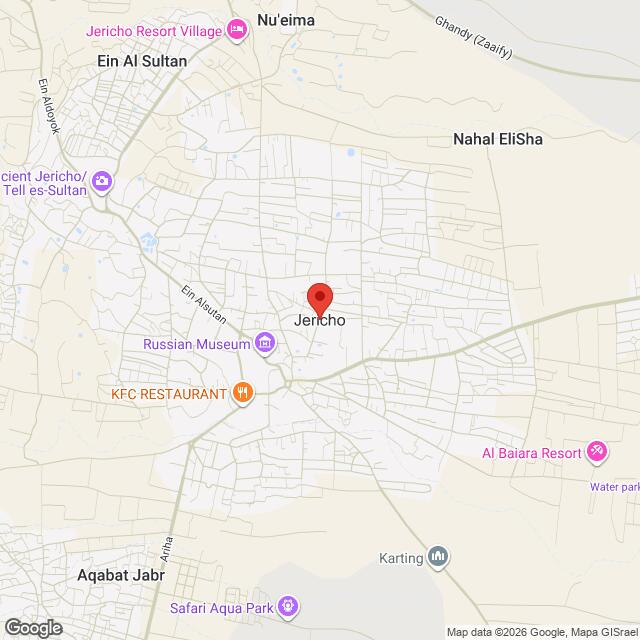
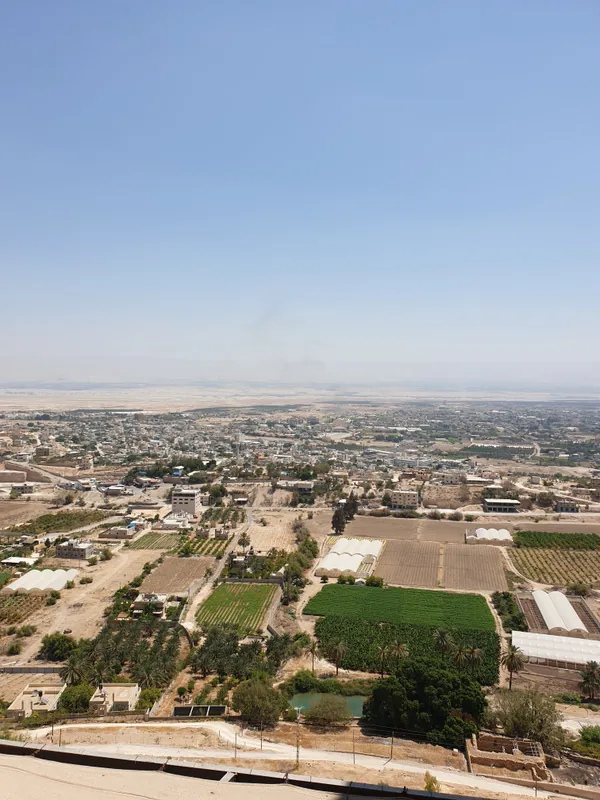
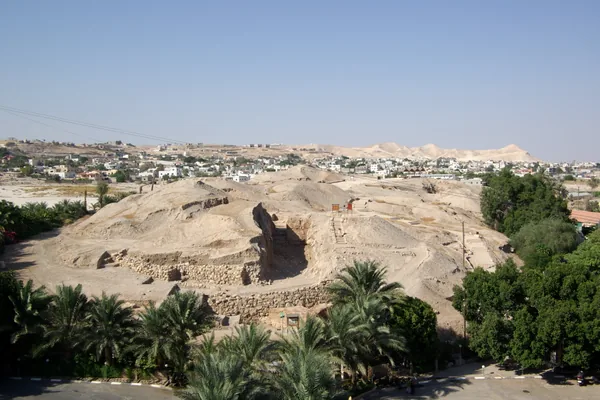
As you arrive in the Jordan Valley, you will find Jericho, an ancient oasis city situated 846 feet below sea level. Known historically as the City of Palms, the surrounding arid Judean Desert contrasts sharply with the lush agricultural landscape fed by the Ein es-Sultan spring. When you visit the central mound of Tell es-Sultan, you are stepping into a settlement with a continuous history spanning over 10,000 years. This archaeological site reveals humanity’s early transition from nomadic hunter-gatherer societies to settled farming communities.
As you walk through the excavated trenches of the mound, you can observe the remains of more than 20 successive settlements. Look closely at the early mud-brick ruins and the monumental Neolithic stone tower, which represents a major milestone in early human architecture. For those making a biblical pilgrimage to Jericho, the site holds deep historical resonance. In Jewish tradition, this is the first Canaanite city the Israelites encountered after crossing the Jordan River, where scripture records the fortified walls collapsing under Joshua’s command and where Rahab hid the Israelite spies.
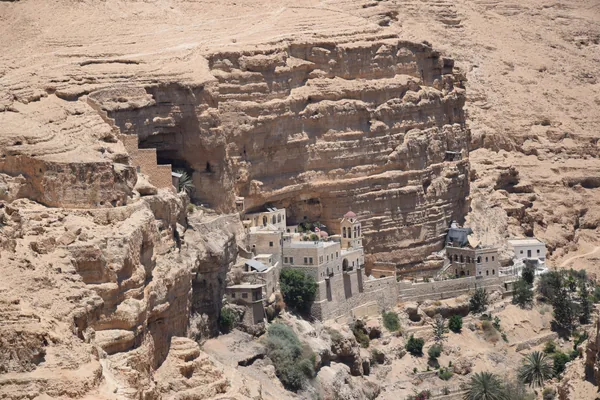
Even today, local farmers cultivate dates, bananas, and citrus fruits using the same historic water sources that sustained ancient populations. The landscape is defined by the stark visual contrast between the verdant oasis and the dramatic, rocky cliffs of the Mount of Temptation looming to the west. A journey here offers a tangible connection to the Neolithic Revolution and the foundational narratives of the biblical era, allowing you to witness the physical layers of a city that has served as a crossroads for trade, agriculture, and faith for millennia.