A Journey Through History at the Israel Museum in Jerusalem
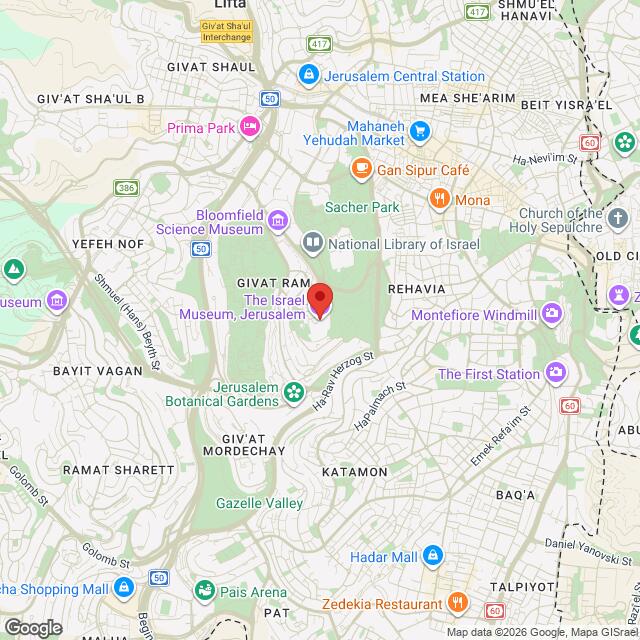
The Israel Museum is an encyclopedic art and archaeology institution situated on a 20-acre campus in the Givat Ram neighborhood, holding approximately 500,000 objects spanning prehistory to the present day. When you arrive, you’ll find a sprawling cultural complex organized into wings for Archaeology, Fine Arts, and Jewish Art and Life. Established in 1965, it serves as the country’s largest cultural institution, preserving and presenting the region’s complex heritage.
As you explore the Archaeology wing, you’ll encounter the world’s most extensive collection of biblical and Holy Land archaeology. In the Jewish Art and Life wing, you can examine materials of Jewish ethnography, including traditional clothing, illuminated manuscripts, and reconstructed synagogue interiors from around the globe.
A focal point of your visit will be the Shrine of the Book, easily recognizable by its white-tiled dome shaped like the lids of the jars in which the first Dead Sea Scrolls were found. Inside, you’ll view these ancient texts, discovered in the Qumran caves, which include the oldest known surviving biblical manuscripts. The Shrine also houses the Aleppo Codex, a highly significant medieval Hebrew Bible manuscript.
Just outside the Shrine, you’ll find a 1:50 scale model of Jerusalem during the late Second Temple period. This detailed reconstruction shows the topography and architectural character of the city around 66 CE, providing physical context for both Jewish history of that era and the Jerusalem of the Christian Gospels.
Before you leave, you can walk through the Billy Rose Art Garden, a terraced outdoor sculpture space designed by Isamu Noguchi, or browse the Fine Arts wing’s global collections. The museum offers a comprehensive look at the historical, religious, and cultural forces that have shaped this region over millennia.