
Exploring the Hinnom Valley in Jerusalem
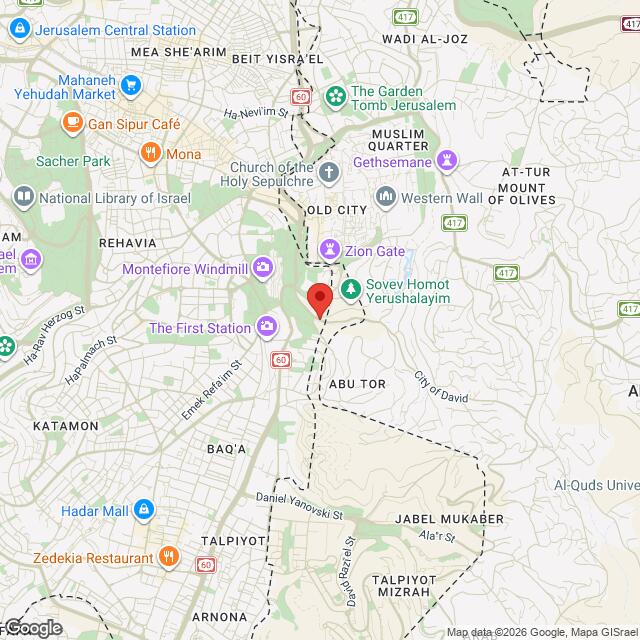
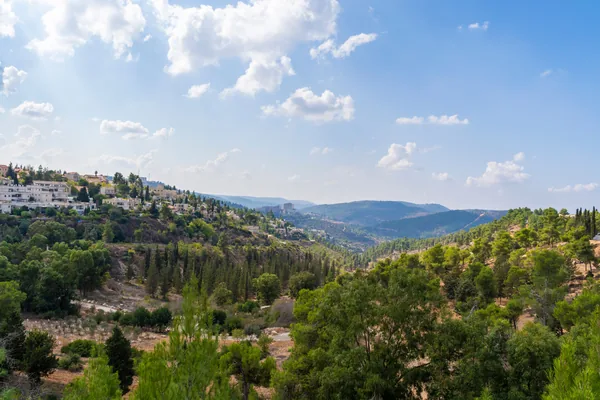
The Hinnom Valley is a deep ravine wrapping around the western and southern edges of Jerusalem’s Old City. Today, the area serves as a national park, offering a rugged landscape where you can walk among ancient rock-hewn burial caves. A suspended pedestrian bridge connects the valley directly to Mount Zion, providing expansive views of the terrain as you begin your visit.
As you explore the trails, you walk through a site with a complex biblical history. In the Hebrew Bible, the valley served as a boundary between the tribes of Judah and Benjamin. During the First Temple period, the eastern end was known as the Topheth, where some kings participated in the Canaanite practice of sacrificing children by fire. The prophet Jeremiah condemned these actions, and this history established the valley as the basis for Gehenna, a metaphor for divine punishment in Jewish rabbinic literature.
The slopes have served as a necropolis for centuries, making this a vital area for discovering biblical archaeology in the Holy Land. During excavations at Ketef Hinnom on the western slope, archaeologists uncovered two tiny silver amulets from the seventh or sixth century BCE. These scrolls contain the Priestly Blessing from the Book of Numbers, representing the oldest known surviving fragments of biblical scripture.
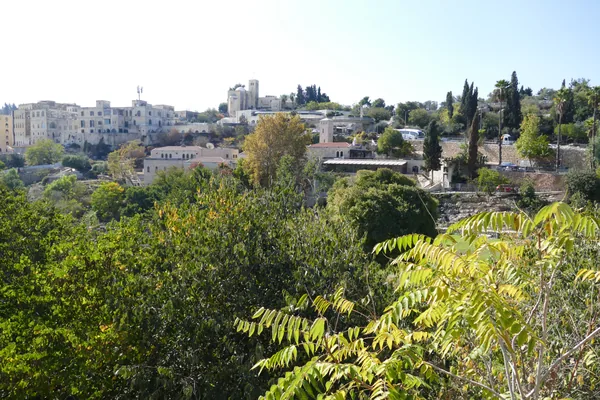
Continuing along the southern ridge, you will see the Greek Orthodox Monastery of St. Onuphrius, built at Akeldama. Christian tradition associates this plot with the burial ground purchased with the silver paid to Judas Iscariot. Nearby, you can observe ancient agricultural crafts at the Farm in the Valley project, connecting you directly to the historic daily life of Jerusalem.