Exploring the Biblical Sites and Archaeology of the Elah Valley
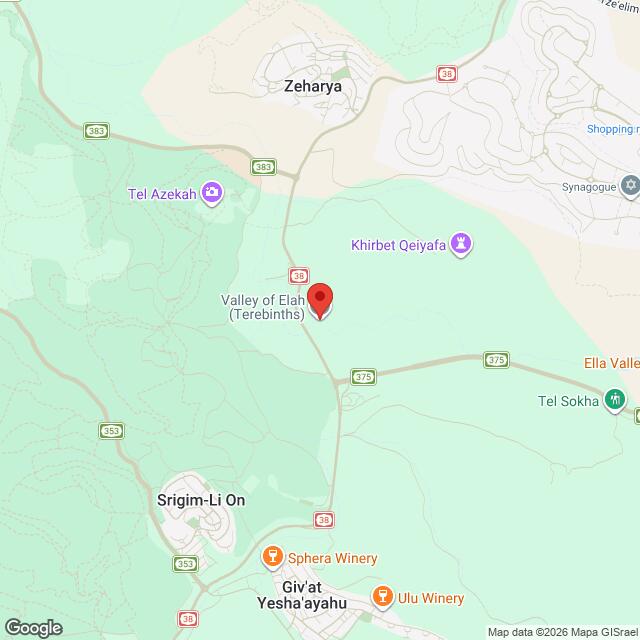
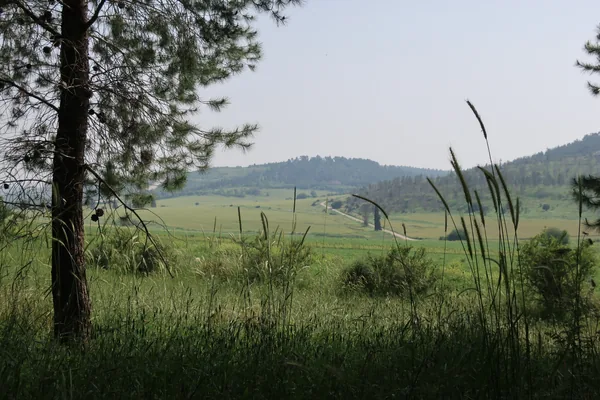
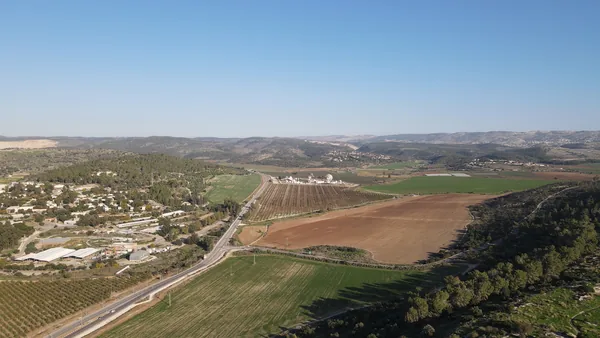
The Elah Valley, situated near the city of Beit Shemesh in the Judean foothills, is a sweeping agricultural landscape known for its deep roots in ancient history. As you arrive in this region of the Holy Land, you will notice the native terebinth trees—from which the valley takes its Hebrew name, Emek HaEla—dotting the terrain alongside cultivated almond groves. Walking through the valley, you can observe the natural geography that once functioned as a strategic borderland separating the Israelite highlanders from the Philistines on the coastal plain.
For Jewish and Christian visitors, the valley is traditionally recognized as the setting of the famous confrontation between David and Goliath described in 1 Samuel. As you look across the valley floor, you can picture the Israelite army led by King Saul facing the Philistine forces. According to the biblical account, it was here that the young shepherd David defeated the Philistine champion using a staff, a sling, and five stones gathered from a local brook.
As you continue your visit, head up the hill to the ruins of Khirbet Qeiyafa, an early tenth-century BCE fortified city overlooking the valley. This site is a focal point for archaeology in the region, with scholars strongly associating its massive stone walls with the early Kingdom of Judah and the reign of King David. Standing among the excavated foundations, you have a panoramic vantage point over the traditional theater of the ancient confrontation.
While exploring the elevated ruins, you are standing on the very ground where archaeologists discovered vital Iron Age artifacts. Among these finds is a 3,000-year-old inscribed ceramic shard unearthed in 2008, which many researchers identify as the oldest known example of Hebrew writing. A visit to this valley allows you to step directly into the physical landscape of early Israelite history, connecting ancient texts with the stones and soil beneath your feet.