


Exploring the Ancient Ruins of Ein Gedi Near the Dead Sea
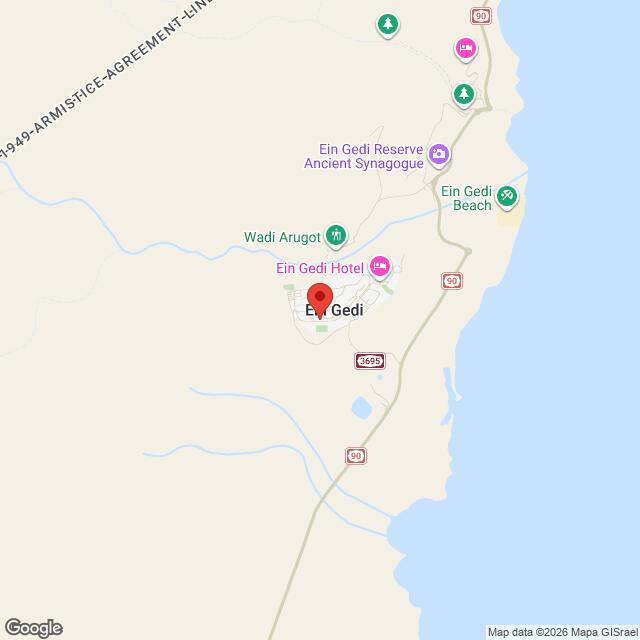
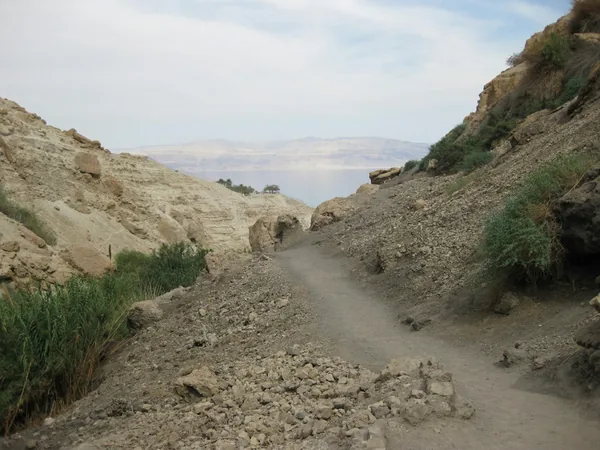
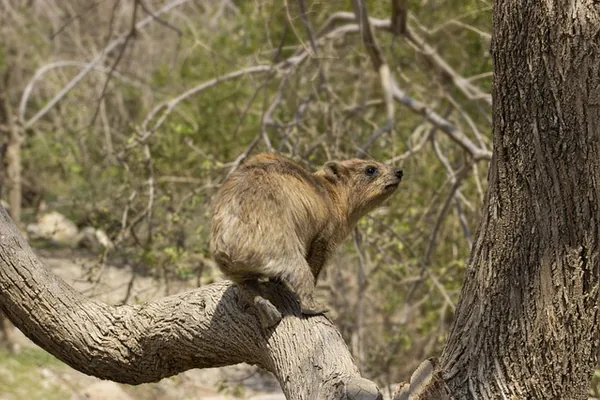
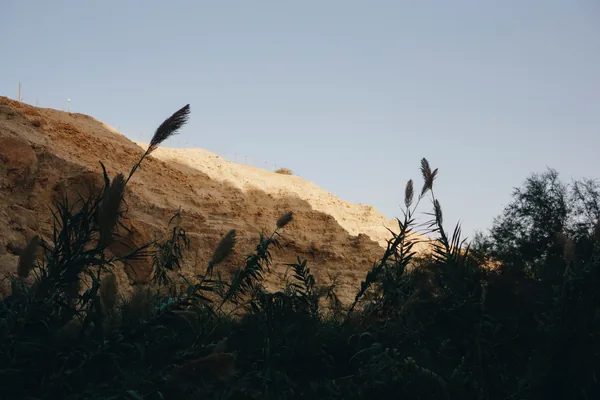
Ein Gedi is an ancient archaeological park and desert oasis situated on the western shore of the Dead Sea. As you arrive at the nature reserve, you will encounter a striking visual contrast between the arid cliffs of the Judean Desert and the lush vegetation fed by perennial streams and waterfalls. While walking the trails, you might spot local wildlife, such as the Nubian ibex, navigating the rocky terrain. Beyond its natural setting, the area preserves layers of human history dating back to the Chalcolithic period, evidenced by the ruins of a temple compound built on a rock terrace above a spring.
The site holds deep biblical significance for both Jewish and Christian traditions. During the First Temple period, the area belonged to the Kingdom of Judah and was fortified with local strongholds. It is widely remembered as the wilderness refuge where David hid from King Saul and spared the monarch’s life inside a cave. As you continue your visit, you will see how this remote landscape provided a natural sanctuary for early inhabitants.
Further along in the adjacent archaeological park, you can explore the excavated remains of a Jewish agricultural village that thrived from the third to the sixth centuries CE. The highlight of these ruins is a Talmudic-era, basilica-style synagogue. Inside, you will find a well-preserved mosaic floor depicting a menorah, exotic birds, a zodiac wheel, and the months of the Hebrew calendar. Historically, the community cultivated Judean date palms and the highly prized balsam plant used for temple incense. Look for the mysterious Aramaic curse inscription in the synagogue, which warns against revealing the “secret of the town”—traditionally believed to be the closely guarded recipe for processing this lucrative balsam.