Tracing Biblical History at the City of David in Jerusalem
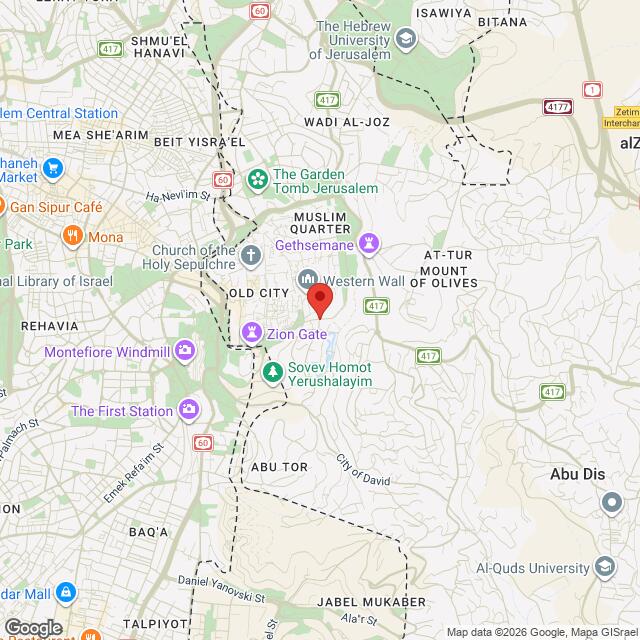
The City of David is an active archaeological park located on a narrow ridge just south of the Old City, recognized as the original settlement core of ancient Jerusalem. As you approach the site in the Wadi Hilweh area of Silwan, you step into a landscape where human activity dates back to the Middle Bronze Age. Among the archaeological sites in Jerusalem, this location stands out for its connection to the foundation of the Davidic dynasty and the Kingdom of Judah. You can observe ongoing excavations revealing Canaanite, Israelite, and Second Temple material cultures.
Begin your visit above ground, where you will encounter the massive Stepped Stone Structure and the Large Stone Structure, traditionally associated with King David’s palace. As you continue downward, the environment shifts from sunlit ruins to subterranean networks carved through solid rock. You can wade through Hezekiah’s Tunnel, a 1,750-foot aqueduct built to withstand an Assyrian siege, feeling the knee-deep water from the Gihon Spring flow past your feet. Alternatively, you can navigate the dry Canaanite tunnels or walk through a Herodian-era drainage channel.
Further along, you reach the Pool of Siloam, a large ritual reservoir and a focal point among attractions connected to biblical Jerusalem. For Jewish communities, this area holds profound historical memory, particularly along the ancient Pilgrimage Road, a stepped thoroughfare used by worshippers ascending to the Second Temple during major festivals. For Christian visitors, the Pool of Siloam is associated with the Gospel of John, where Jesus healed a man blind from birth and told him to wash in its waters. Walking through these pathways offers a tangible connection to the origins of the city