A Visit to the Cave of the Patriarchs
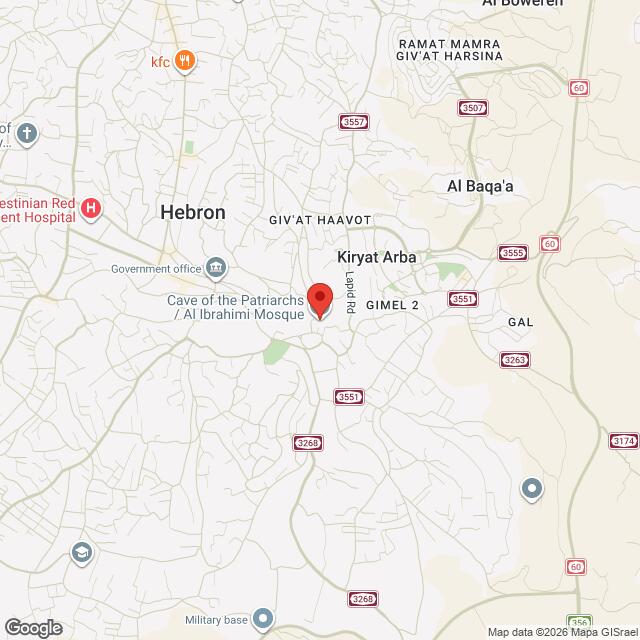
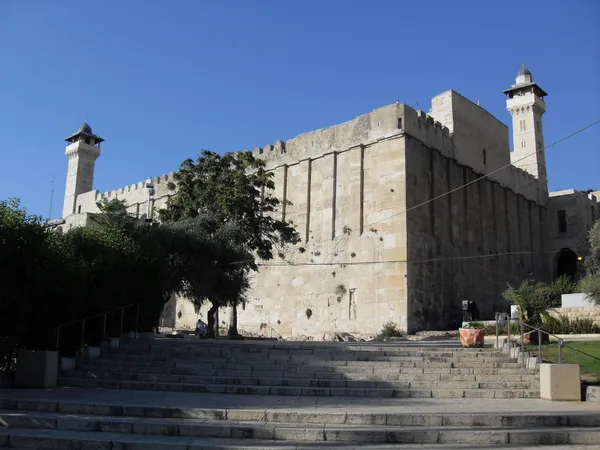
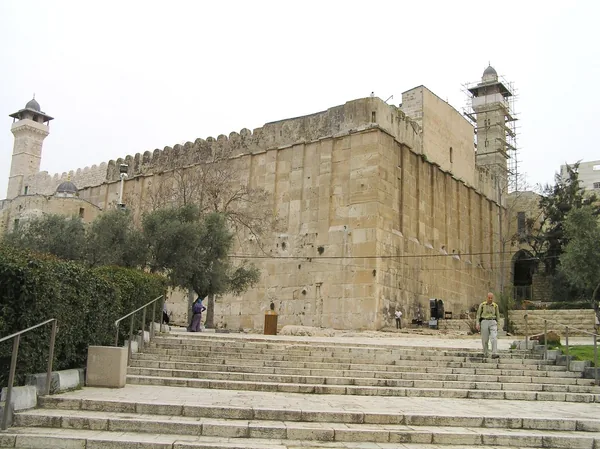
The Cave of the Patriarchs is a subterranean burial complex in the historic center of Hebron, known in Judaism as the Cave of Machpelah. As you approach the site, you will encounter a monumental rectangular stone enclosure commissioned by Herod the Great in the first century BCE. The exterior features massive ashlar stones with smoothed margins mirroring the masonry of Jerusalem’s Western Wall, standing as the world’s only fully intact Herodian structure.
Stepping inside, you enter a space revered as the resting place of Abraham and Sarah, Isaac and Rebekah, and Jacob and Leah. According to the Genesis narrative, Abraham purchased this cave from the Hittites to bury Sarah. Talmudic traditions also associate the site with Adam and Eve. As the second holiest site in Judaism, it serves as a prominent destination for a Holy Land pilgrimage, drawing thousands of visitors annually to commemorate the reading of the Chayei Sarah Torah portion. For Christian visitors, the tombs connect the site to the Patriarchs who stand at the foundation of the Old Testament story and Christian biblical tradition.
As you explore the interior, you will see how the complex functions as a shared Hebron house of worship, currently partitioned into a Jewish synagogue and an Islamic mosque. The site has historically housed a Byzantine structure, a Crusader church, and a Mamluk-expanded mosque. Moving through the distinct prayer halls, you can observe elaborate Mamluk-era vaulted arcades and large domed cenotaphs built to honor the patriarchs and matriarchs.
In 1266, the Mamluks banned Jewish and Christian entry to the interior, a restriction that remained in place until 1967. Today, standing before the cenotaphs, you can reflect on the enduring legacy of these biblical figures. The complex remains a focal point of cultural memory, where visitors gather to pray and connect with the foundational families of their heritage.