
Walking the Ancient Cardo in the Heart of Jerusalem
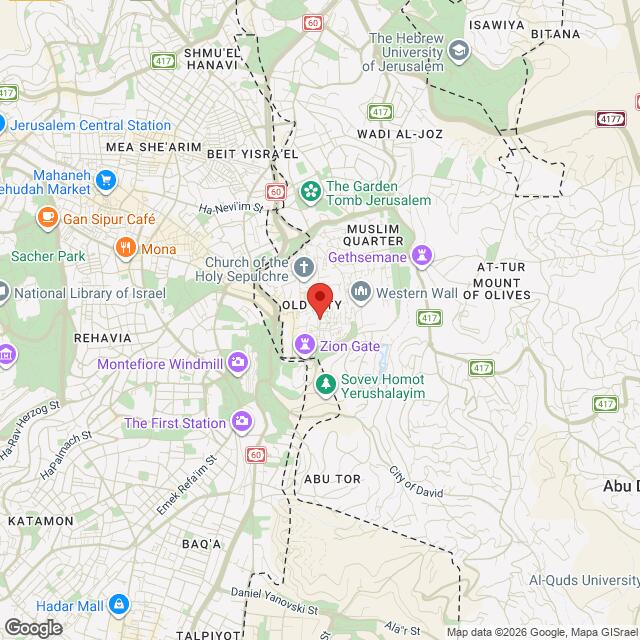
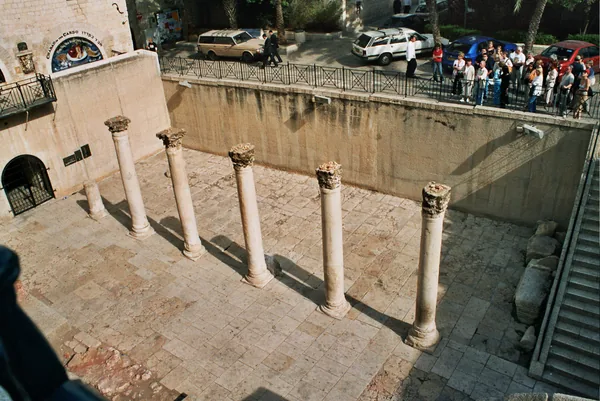
The Cardo is an excavated Roman and Byzantine thoroughfare that runs straight through the modern Jewish Quarter of Jerusalem’s Old City. As you begin your walk along this ancient avenue, you will step directly onto the original paving stones laid down centuries ago. This north-south axis was initially constructed in the second century by the Roman Emperor Hadrian, before being extended southward in the sixth century by the Byzantine Emperor Justinian. Today, the towering stone columns that once supported a red ceramic tile roof have been carefully restored, allowing you to visualize the grand scale of this historic marketplace.
As you continue through the site, you will encounter a replica of the Madaba Map, a sixth-century mosaic discovered in Jordan. Archaeologists used this precise depiction of the colonnaded street to locate the buried ruins following the 1967 Six-Day War. The excavation, led by Nahman Avigad, revealed a massive avenue measuring over twenty-two meters wide. Further along, a large, colorful mural painted by artist Dan Carmel recreates a bustling Byzantine street scene, deliberately blending ancient merchants with modern figures to create a visual bridge across time.
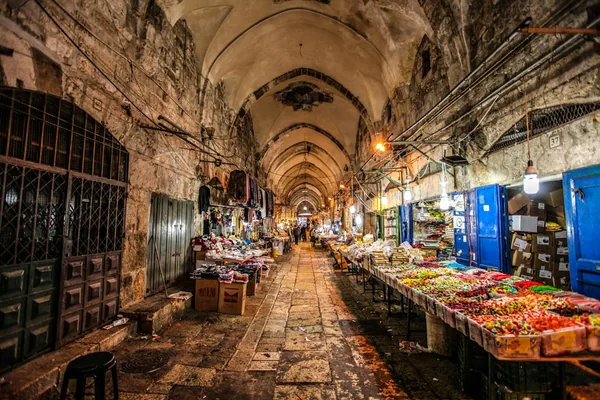
Moving into the active commercial section, you will find that the ancient marketplace has been revitalized. Many of the modern boutiques and Israeli art galleries operate inside preserved Crusader-era vaults built directly on top of the older Byzantine foundations. This seamless blend of ancient infrastructure and contemporary civic life highlights the layered continuity of the city. Exploring these ruins offers a tangible connection to the past, revealing how one of the most significant archaeological sites in Jerusalem continues to function as a vibrant center of Jewish cultural life.