Exploring the Bethel Archaeological Site
Positioned on a high rocky ridge just north of Jerusalem, the ancient city of Bethel is an active archaeological location that historically controlled the region’s central watershed trade route. As you begin your visit, you will encounter layers of civilization dating back to the twenty-first century BCE. Excavations conducted in the 1930s and 1950s uncovered the remains of a fortified Canaanite city from the Middle Bronze Age, alongside destruction layers from the thirteenth century BCE that are widely associated with the Israelite conquest.
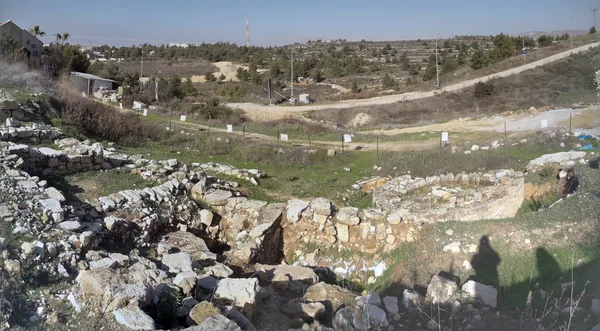
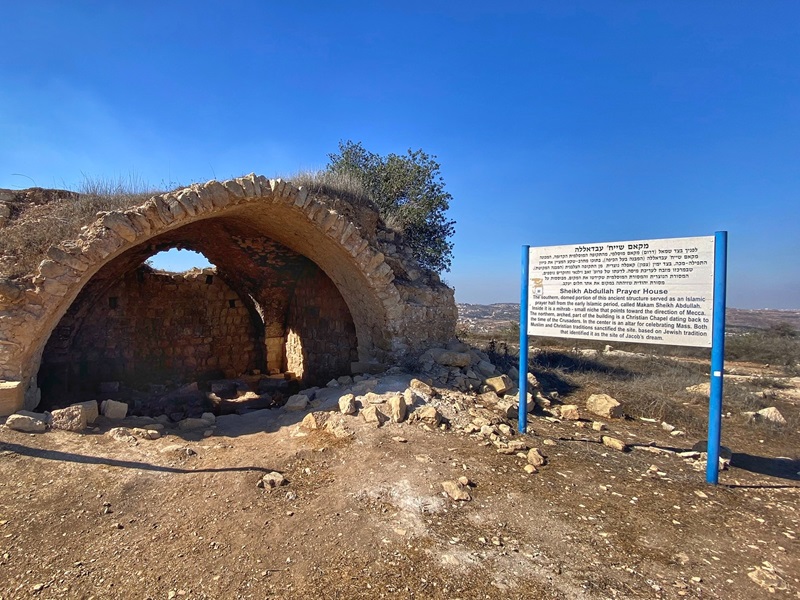
Walking through the biblical ruins of Beit El, you can trace the foundations of ancient stone structures and thick Canaanite walls. As you continue across the site, the landscape reveals a complex history of settlement, including ancient tombs and the ruins known as Burj Beitin. Here, you will find the remains of a fourth-century Byzantine church and a later Crusader-period chapel standing near a traditional Muslim prayer house. These overlapping structures illustrate how various communities have occupied and built upon this high ground over the centuries.
The significance of these biblical sites in the Holy Land is deeply tied to the foundational narratives of the Jewish people. Known in Hebrew as the House of God, Bethel is where Abraham is recorded as pitching his tent and building an altar upon entering Canaan. It is also the traditional location of Jacob’s dream of a ladder reaching to heaven, where he anointed a stone pillar. Standing on the hilltop today, you can take in sweeping panoramic views of the Benjamin plateau, looking out over the same ridgelines that shaped the journeys of the biblical patriarchs.
