Uncovering the Archaeology of Ancient Shiloh
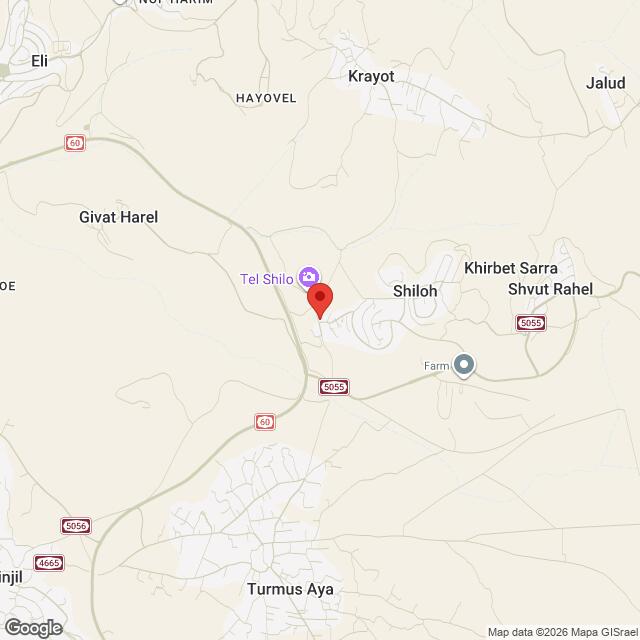
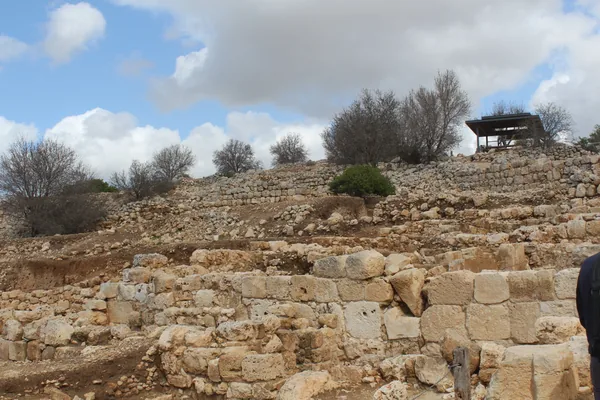
Ancient Shiloh is an active archaeological park set in the hill country of Ephraim, offering a window into one of the most significant early religious centers in the region. As you walk through the site, you encounter layers of history spanning from the Middle Bronze Age through the Byzantine and Crusader eras. Excavations here have uncovered massive Canaanite city walls from 1700 BCE, alongside ancient storage silos and thousands of animal bones consistent with early sacrificial practices.
As you continue your visit, the physical remains of the settlement guide you through its different eras. You will see the stone foundations of Early Roman houses and the remains of Byzantine churches, which were built by later Christian pilgrims to commemorate the area’s biblical past. Further along the northern slope, a large, leveled bedrock plateau comes into view. This flat expanse is traditionally identified as the resting place of the Mishkan, or Tabernacle, which housed the Ark of the Covenant for over three centuries.
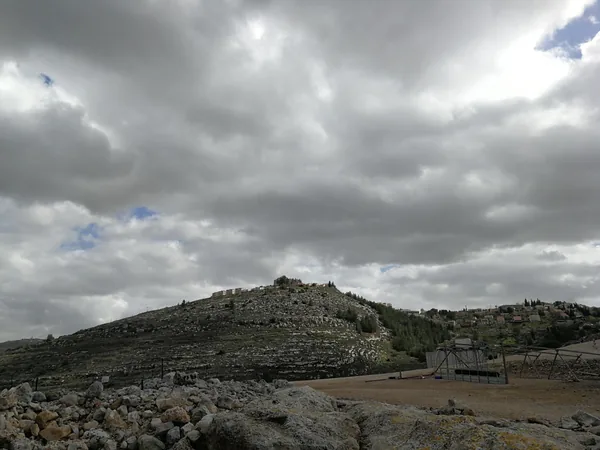
The site holds deep meaning as a destination for biblical pilgrimage. According to Jewish scripture, this is where the Promised Land was apportioned among the tribes and where Hannah prayed for her son, the prophet Samuel. The surrounding landscape is also tied to early agriculture, serving as the traditional backdrop for the ancient Tu B’Av grape-harvest festival. You can conclude your time at the Seer’s Tower at the summit, where a museum displays excavated artifacts like charred grains and ancient pottery, connecting you directly to the daily life and enduring heritage of this ancient city.