Tracing the Archaeological Layers of Ramat Rachel
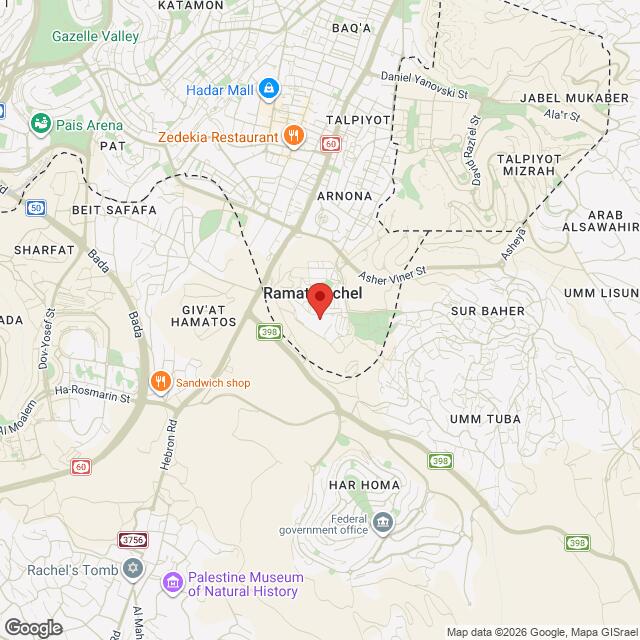
Among the historical destinations in the region, Ramat Rachel stands out as a kibbutz and expansive archaeological park situated on a hilltop in southern Jerusalem. As you walk through the grounds, you encounter the remains of a First Temple-period citadel and royal Judean palace that date back to the eighth and seventh centuries BCE. This vantage point served as a major administrative hub under successive Judean, Assyrian, Babylonian, and Persian authorities.
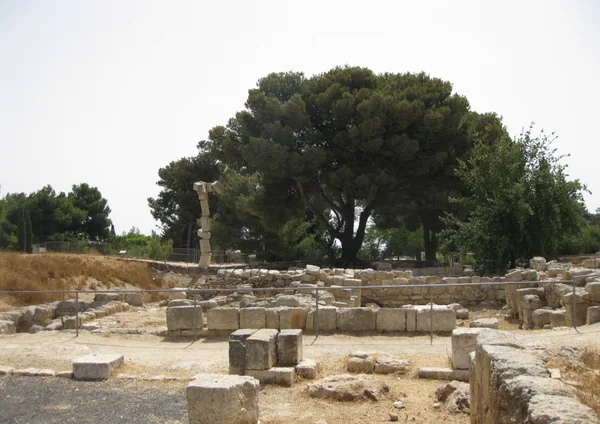
Following the landscaped trails, you will find ancient ruins integrated with environmental art installations that merge live trees with ancient stone. You can explore the exposed foundations of the ancient palace, walk past its thick casemate walls, and view replicas of the ornate Proto-Aeolic stone capitals originally uncovered here. Further along the path, the remains of a Persian-period royal garden feature a large plastered pool and stone-carved irrigation drainpipes.
The site holds a distinct place in Jewish botanical history. Pollen analysis from the plaster of the ancient royal gardens revealed the earliest known regional evidence for cultivating the etrog, myrtle, and willow—plants central to the observance of Sukkot. As you continue your visit, you will also spot Second Temple-period mikvaot, an ancient Jewish burial cave, and a Roman columbarium built for raising doves.
The Yair Overlook provides a sweeping view of the surrounding landscape, including the traditional burial site of the biblical matriarch Rachel, which gives the hilltop its name. For Christian visitors, the view also places the site within the Old Testament landscape surrounding Rachel, a biblical matriarch remembered in the Gospel of Matthew. From the remnants of a royal Judean residence to preserved military trenches from the 1948 Arab-Israeli War, the excavated history here offers a tangible connection to the city’s complex past.