Exploring the Ancient Tombs of the Kidron Valley in Jerusalem
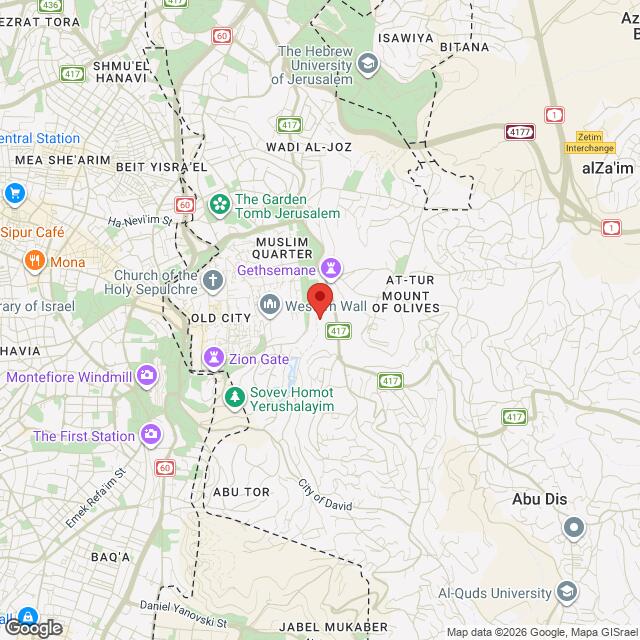
The Kidron Valley is a deep ravine that separates the eastern wall of Jerusalem’s Old City from the Mount of Olives. As you walk down into the valley floor, you enter a rugged landscape dotted with ancient olive trees and densely packed stone graves. This steep topography once served as the city’s primary defensive barrier and has functioned as a vast necropolis since the Late Bronze Age.
Continuing along the path, you will encounter striking examples of Holy Land archaeology. Carved directly from the bedrock during the Second Temple period, a cluster of monumental tombs rises before you. You can see the pyramidal roof of the Tomb of Zechariah, the Hellenistic columns of the Tomb of the Sons of Hezir, and the towering Pillar of Absalom. Though traditionally named for King David’s rebellious son, archaeological evidence dates this imposing funerary monument to the first century CE.
Scripture records this ravine as the route King David took when fleeing Absalom’s rebellion. Looking up at the immense Jewish cemetery blanketing the Mount of Olives, you stand in the area identified as the biblical Valley of Jehoshaphat. According to the Book of Joel, this is where God will gather the nations, giving the valley profound significance in Jewish tradition as the anticipated site of the resurrection.
Among biblical sites in Jerusalem, the valley is also central to Christian memory as the path Jesus walked to the Garden of Gethsemane. Looking up from the valley floor, the terrain offers sweeping views of the ancient Old City walls and the historic churches on the Mount of Olives, rooting you firmly in the city’s complex heritage.